
Bridging Structure and Design: How AI Prevents Rework and Accelerates Decisions
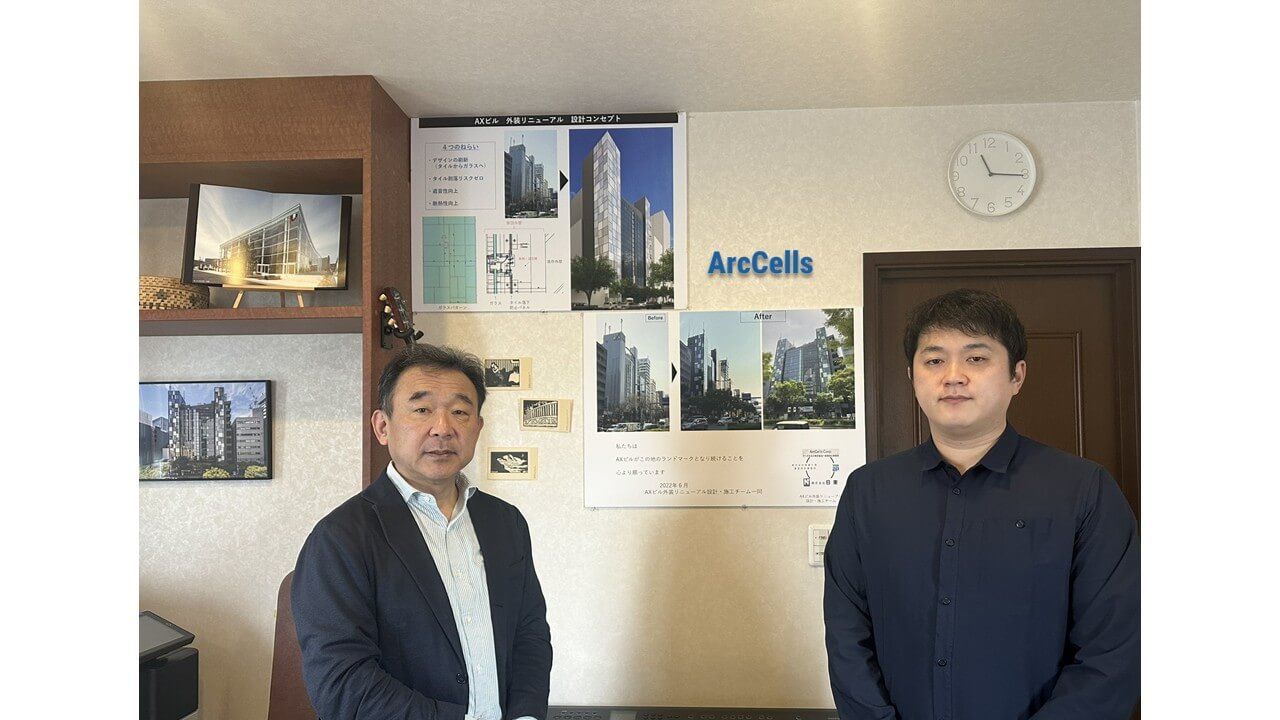
In this series, we sit down with ArchiX users to explore how AI is reshaping the future of architecture. Hiroyuki Nishioka of ArcCells Co., Ltd., a licensed architectural design firm, shared how "visualizing the design intent early" has become central to their workflow.
| Company | ArcCells Co., Ltd. (Licensed Architectural Design Firm) |
| Website | https://www.arccells-corp.com/ |
| Interviewee | Hiroyuki Nishioka |
Before and After ArchiX
Challenges before adoption
- Slow alignment with clients: 2D drawings made it difficult for clients to grasp spatial concepts, which slowed down decision-making.
- Limitations of general AI tools: Mainstream AI ignored structural logic, making outputs unsuitable for real architectural work.
Results after adoption
- Faster decision-making: Early visualization enabled front-loading, reducing costly rework in later project stages.
- A thinking partner for design: Collaboration between structural engineers and designers improved, with ArchiX serving as a shared reference point for ideas.
Connecting Design and Engineering from a Structural Perspective
Tell us about your background and what ArcCells does today.
Nishioka: I spent about 25 years at Takenaka Corporation, primarily in structural design, building production design, and other engineering disciplines. After retiring at 50, I founded ArcCells a few years later. Today we handle architectural design and construction management, among other services.
Most recently, we were involved in the implementation design and construction management for foreign pavilions at the 2025 Osaka-Kansai Expo. My background is in structural engineering, but for each project I assemble the right team - the right "cells" for that project - to address the client's specific challenges.
General AI Creates Structural Lies. What We Needed Was Control.
What challenges were you facing before you started using ArchiX?
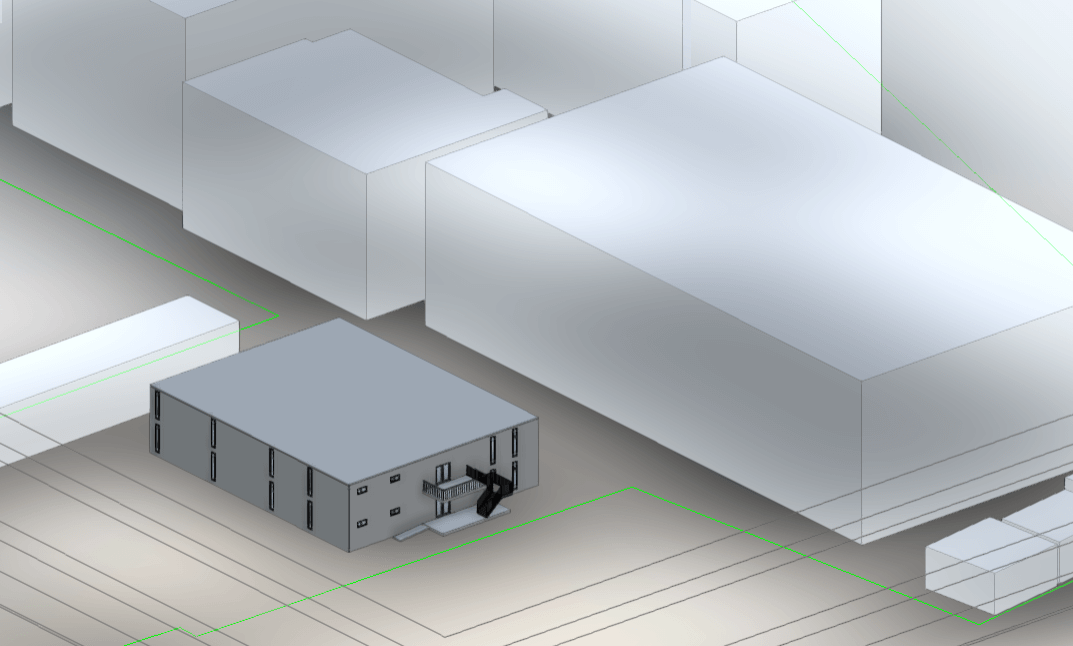
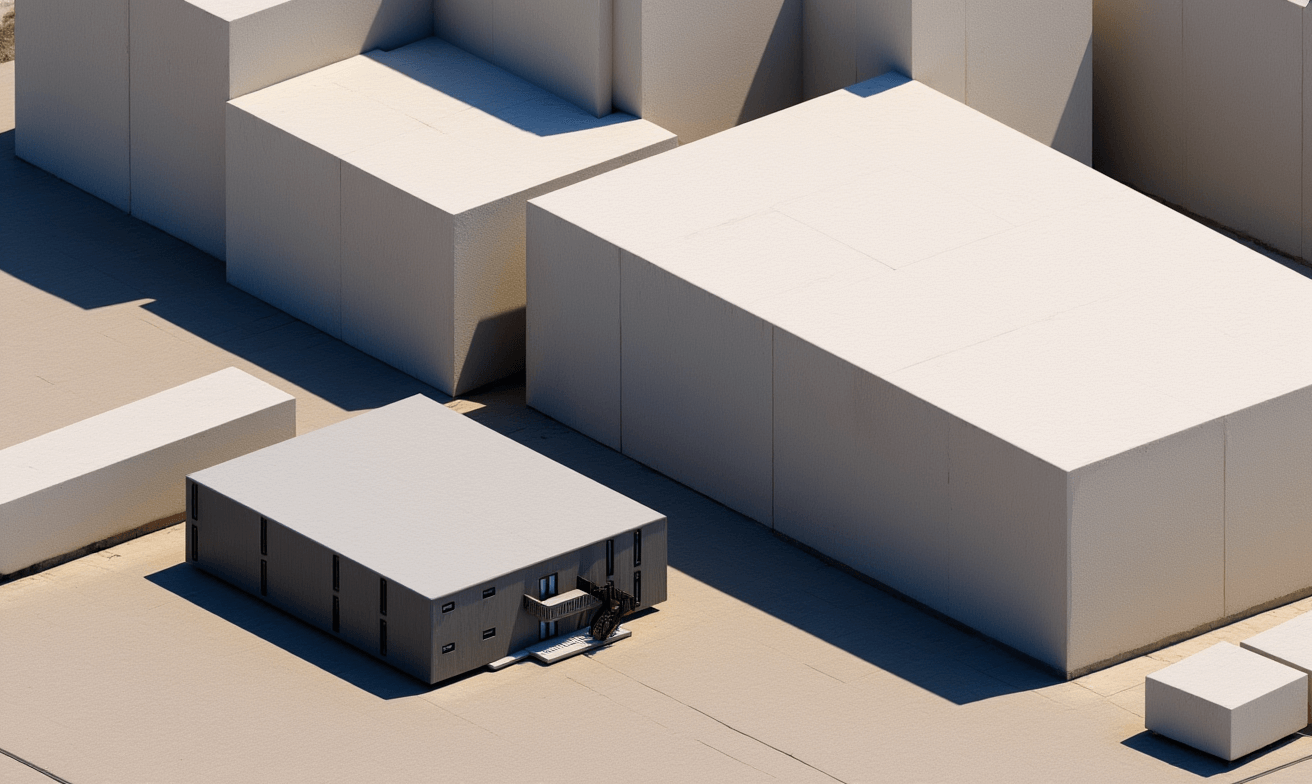
Nishioka: The biggest issue was the speed of spatial alignment with clients. We regularly use BIM tools like Revit, so our team can mentally construct a three-dimensional space from a two-dimensional drawing, but clients generally cannot. We used to spend significant time producing perspective renders, but today's clients expect high-quality visuals from the very first presentation.
Yamada (Representative, Yajirushi Architecture Design Office, an ArcCells partner firm): We tried general AI tools like ChatGPT and Midjourney to improve efficiency, but they were too inflexible for real architectural work. For example, when generating interior perspectives, the AI would remove columns on its own or add windows that made no structural sense. The results looked visually polished, but they were unusable as actual architectural renders.
Before
After
We Chose ArchiX Because We Could See Where It Was Headed
With so many tools available, why did you choose ArchiX?
Nishioka: We first came across ArchiX at a trade show. After visiting several booths focused on newer services, ArchiX stood out as the one with the most potential. What also convinced us was the pace of development. When we gave feedback about features we wished existed, improvements showed up the following week, or we'd hear that something was already implemented. That velocity told us this was a team worth betting on.
Using ArchiX as a Design Thinking Partner to Eliminate Rework
What results have you seen since adopting ArchiX?
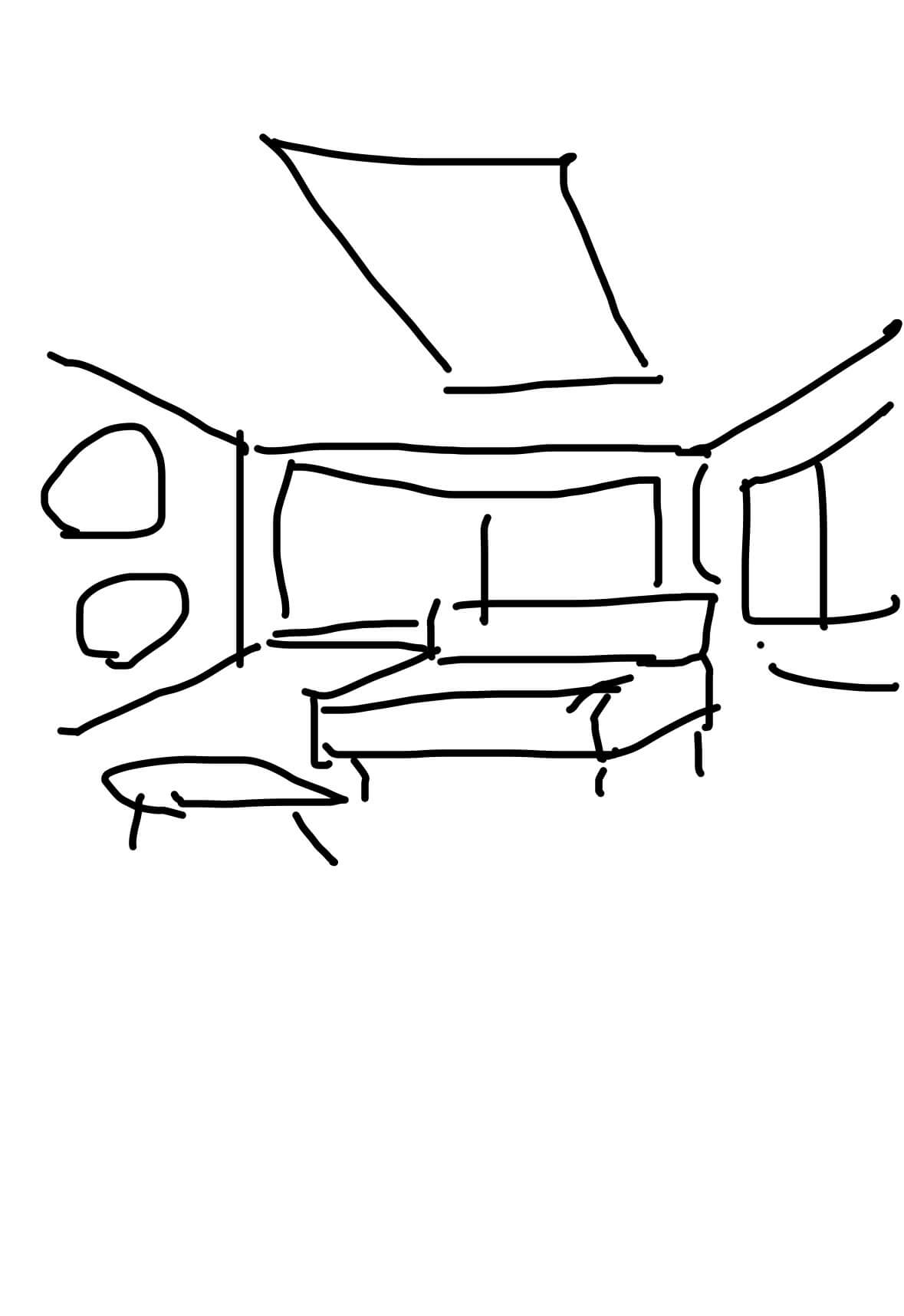
Nishioka: Beyond client presentations, it's been invaluable for internal idea development. I come from a structural background, but now I can share an ArchiX image with a designer and say, "What do you think of something like this?" - communicating nuances that words alone never could.
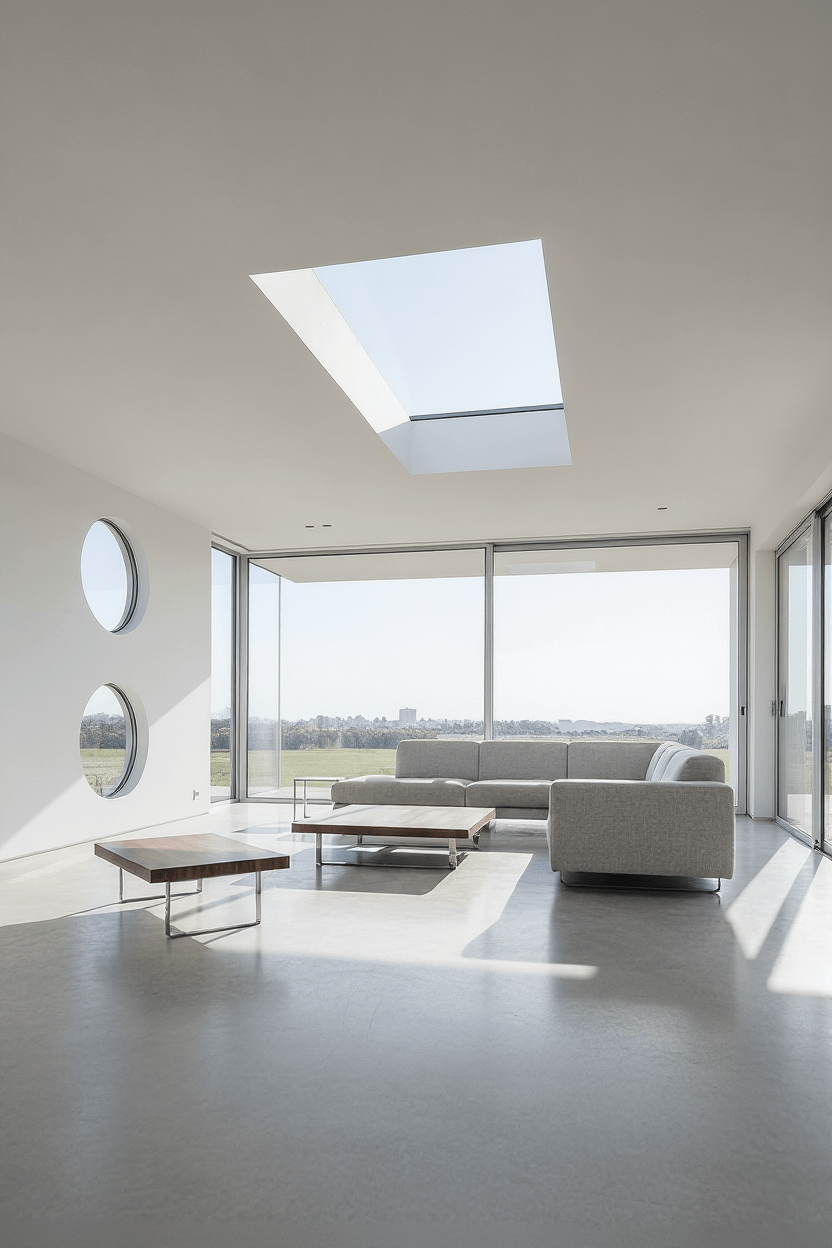
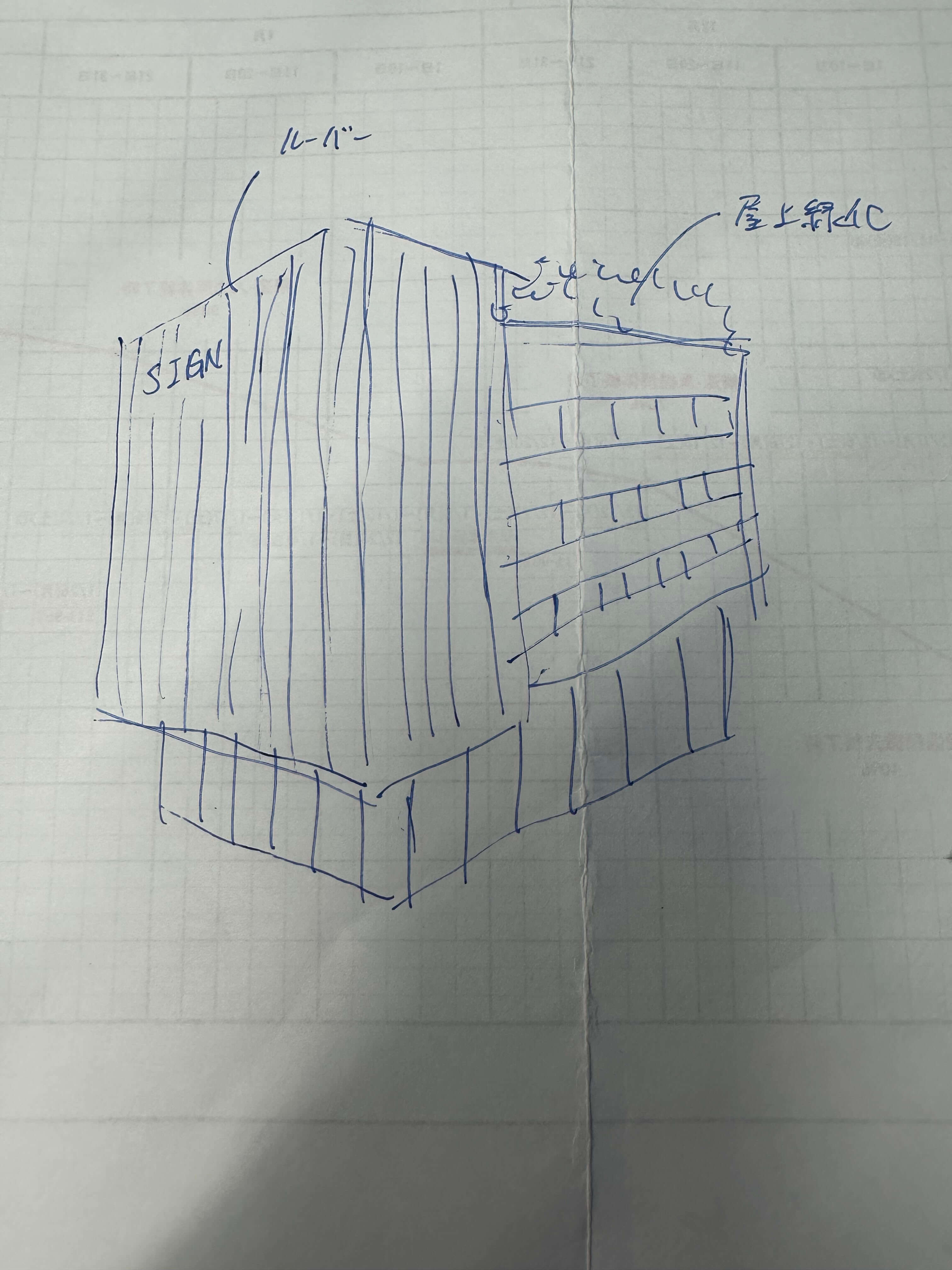
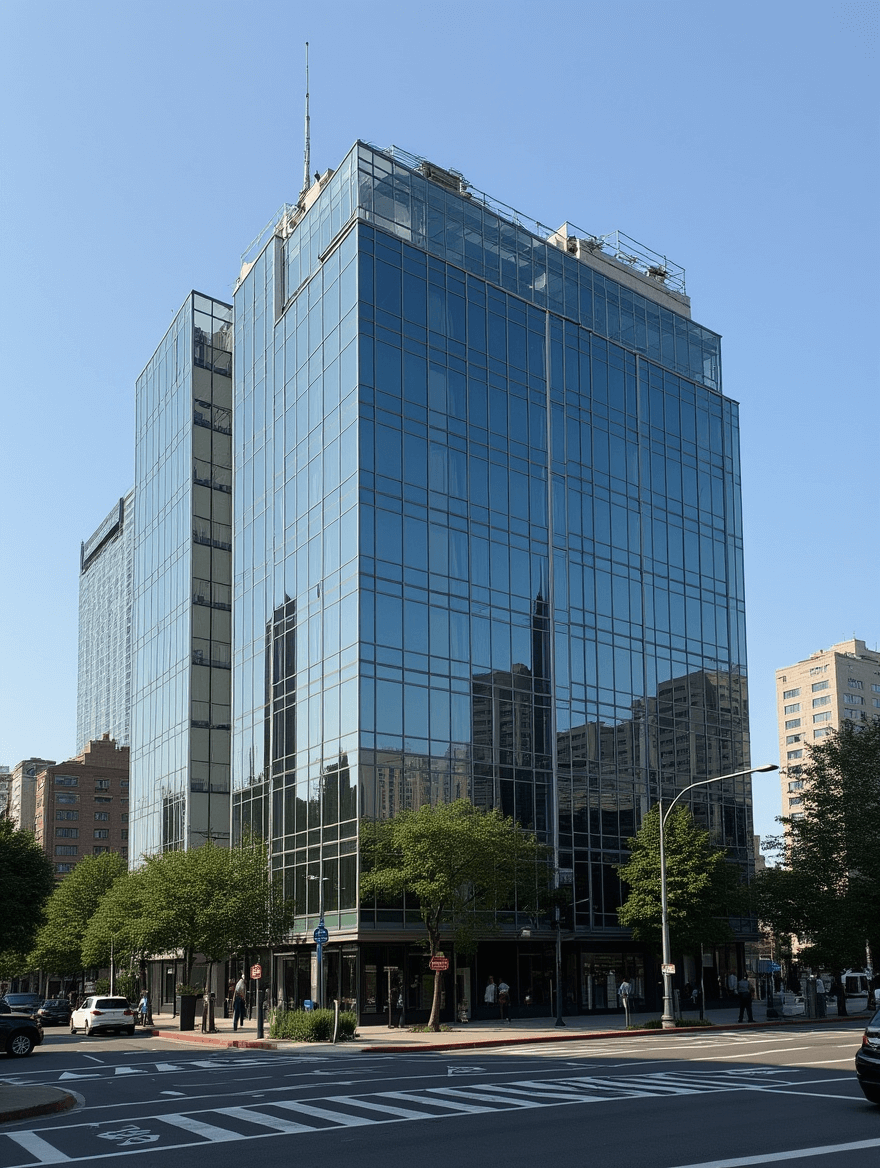
This has accelerated alignment in the early stages of projects. We're achieving genuine front-loading, and the "this isn't what we imagined" rework that used to happen late in a project has dropped dramatically.
Before
After
Before
After
Looking Ahead: BIM Integration and Industry-Specific Terminology
What are you hoping to see from ArchiX going forward?
Nishioka: I'm looking forward to deeper BIM integration. If we could visualize BIM data instantly in ArchiX and then feed information back into the BIM model - a true two-way exchange - it would fundamentally change how design workflows operate.
I'd also love to see the tool develop a stronger understanding of architecture-specific terminology, so that technical prompts translate more accurately into the render. More than anything, I believe AI shouldn't be dismissed as "not useful" - the more you use it, the more it learns, and the more both the tool and the team evolve together.
About ArcCells Co., Ltd.
ArcCells is an Osaka-based licensed architectural design firm offering integrated services across architectural design, structural design, MEP engineering, and construction management. With a flexible team structure that assembles the right specialists for each project, the firm handles everything from residential buildings to large-scale facilities.
Location: Sonezaki, Kita-ku, Osaka
Founded: 2017
Services: Architectural and MEP design, supervision, construction management, BIM-related services
Website: https://www.arccells-corp.com/
Hiroyuki Nishioka, Founder and CEO
After a distinguished career at Takenaka Corporation spanning structural design, research, production technology, and international projects, Nishioka also worked on the client side in project and construction management roles. He founded ArcCells in 2017 with a focus on architecture that integrates structural rigor with design vision.
Credentials: First-Class Architect, First-Class Construction Management Engineer, Certified Construction Manager (CCMJ)