
Breaking Down the Expert Wall: How Pasona art now Co-Creates with ArchiX
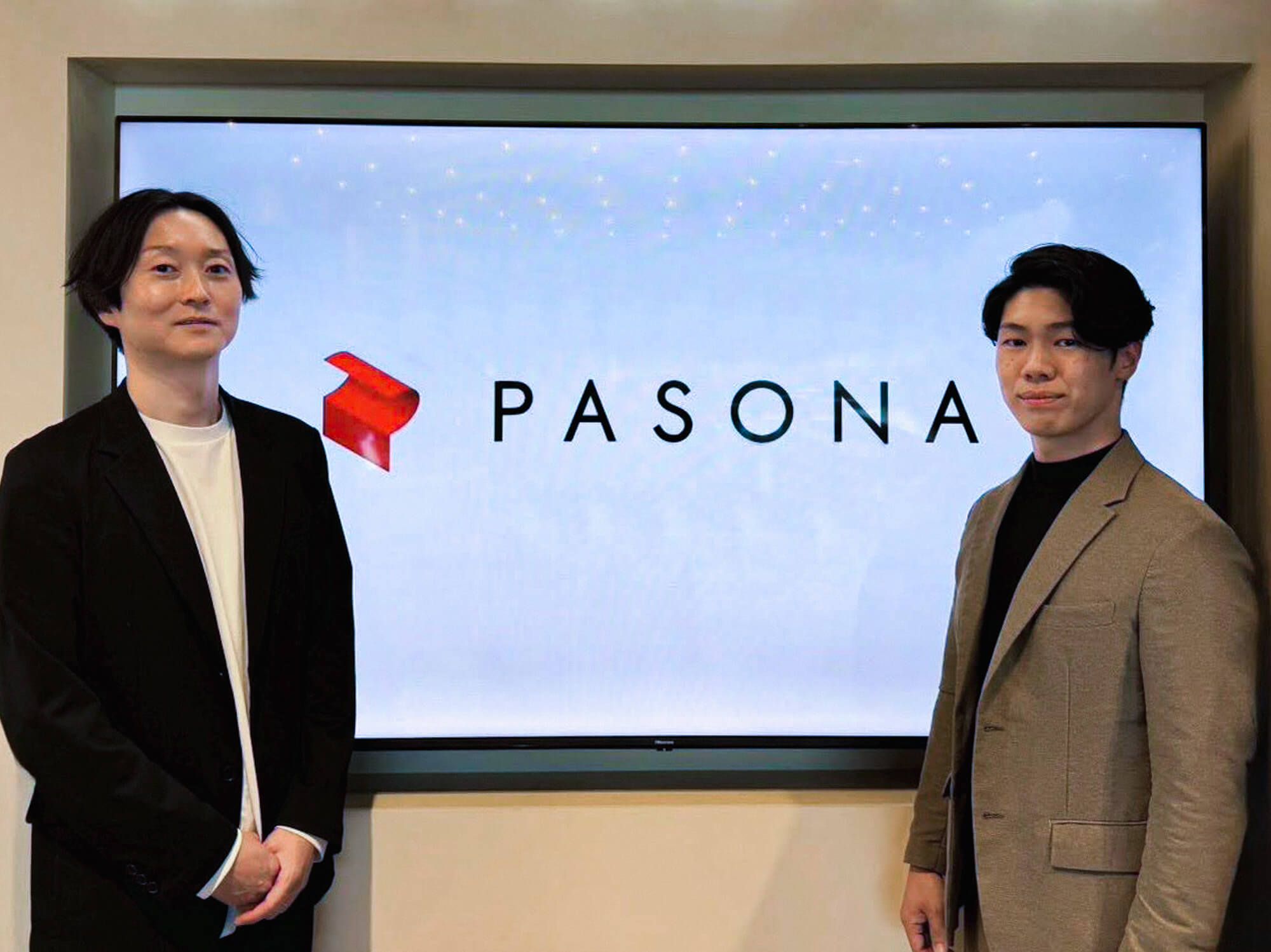
In this series, we speak with ArchiX users about how AI is reshaping the future of spatial design. This time, we sat down with Satoshi Yoshida and Junya Nakamura from Pasona art now Co., Ltd. - a company that integrates art into interiors, spaces, and communities across Japan. They shared how ArchiX is helping them break through the communication barriers that have long separated specialists from non-specialists, and opening the door to a more collaborative, inclusive way of working.
| Company | Pasona art now Co., Ltd. |
| Website | https://pasona-artnow.co.jp/ |
| Interviewees | Satoshi Yoshida, Executive Managing Director; Junya Nakamura, Creative Division |
Before and After ArchiX
Challenges before adoption
- Time lost to misaligned expectations: Translating abstract creative ideas into something concrete was slow, and misunderstandings frequently caused rework.
- Skill barriers in the team: Compositing artwork onto existing renders in Photoshop often made pieces look disconnected from the space. Staff without CAD or design tool experience had no way to contribute to the visual conversation.
Results after adoption
- Faster decision-making: Nuances that couldn't be put into words can now be shown instantly, speeding up both internal reviews and client presentations.
- A more level creative environment: The tool doesn't require specialist skills, which means architects, designers, and non-specialists can contribute to the design conversation on equal footing.
Designing Spaces and Communities Through Art, With a Network of 2,000 Artists
Tell us about what Pasona art now does and what makes the company distinctive.
Nakamura: Our creative division provides a service that integrates art across interiors, spatial design, lifestyle, and regional development. What makes us unusual is that we hold a licensed architectural design office registration and construction permits covering both exterior tile work and interior finishing. We believe that truly integrating art into a built environment requires architectural knowledge and the ability to manage construction, not just the ability to choose and place pieces. We operate across two axes: the soft side - art planning and installation - and the hard side - interior and exterior construction. Design through to handover happens under one roof.
Yoshida: Our strength is flexibility. We don't represent a fixed stable of artists like a gallery. Instead, we draw from a network of approximately 2,000 artists to find the right collaborator for each project, producing work created specifically for that place. This approach applies to offices, commercial spaces, and healthcare facilities, and increasingly to regional development projects - we've been doing significant work on Awaji Island and other locations where art is central to revitalization and community engagement.
The Goal: Getting 100% of the Artist's Vision Across to the Client
What communication challenges have you been navigating in your work?
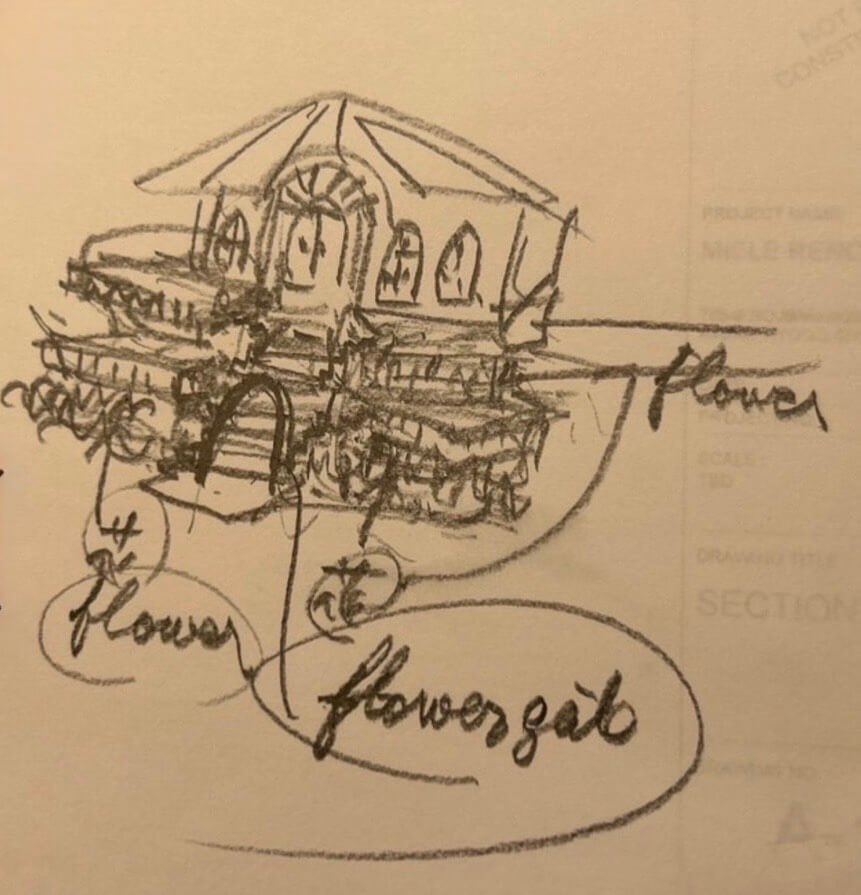
Nakamura: The central challenge is getting as close as possible to 100% of what the artist has in their head across to the client. We don't install off-the-shelf pieces - we commission original works that don't exist yet. But no matter how strong the artist's concept is, communicating it through words alone, or through a rough sketch, almost always creates gaps in understanding.
Yoshida: We used to try overlaying artwork images onto existing perspective renders in Photoshop, but the result consistently looked like the piece was floating rather than belonging to the space. It undermined the work before anyone had a chance to properly evaluate it.
Helping artists create freely while also helping clients genuinely understand the value of what's being proposed - those two goals both depend on getting the visual communication right. We needed a tool that could make an artist's vision visible without getting in the way of it.
Before
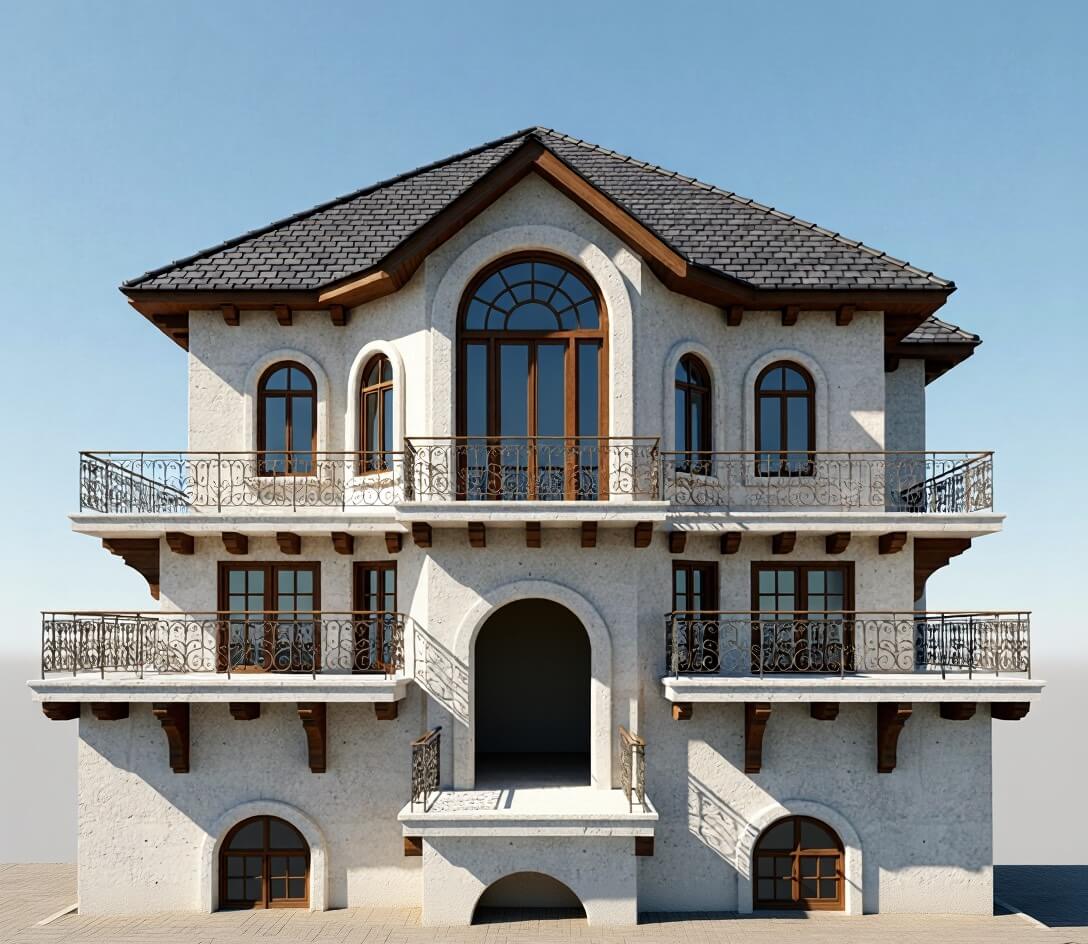
After
Closing the Gap Between Specialists and Everyone Else
What made ArchiX stand out among the tools you considered?
Yoshida: When I first saw ArchiX, my immediate reaction was: "this is the future." There has always been a knowledge and skill gap between the architects and designers in our world and people like us who come from outside those disciplines. That gap has historically pushed us into the role of information relay - we pass messages between the specialist and the client rather than participating in the creative conversation ourselves.
ArchiX changes that. Someone without CAD skills or architectural training can take what's in their head and make it visible. That puts everyone at the table on equal footing. You're no longer constrained by your job title or your software skills - you can contribute directly to the work.
Nakamura: When I actually used it, what struck me was how naturally I could share a spatial idea without explaining it. For the internal and client review process, being able to show the nuance rather than describe it has made the decision-making cycle noticeably faster.
A New Kind of Team: Where Passion Counts as Much as Technical Skill
What broader organizational changes do you see ArchiX making possible?
Yoshida: From a leadership perspective, the impact on hiring and team building is significant. Spatial design work has traditionally required a fine arts background or fluency in 3D software - those were baseline expectations. With a tool like ArchiX, someone who is deeply passionate about art and space, but doesn't have a technical design background, can now contribute and grow into the role. Lowering the skill barrier means we can recruit for passion and curiosity, not just credentials. In an industry dealing with talent shortages, that's genuinely exciting.
ArchiX as a Community Engagement Tool for Regional Development
What are you hoping ArchiX will make possible for you going forward?
Nakamura: On the technical side, I'm looking forward to improvements in how accurately specific artwork textures and physical scale can be represented within a render. Once that's more precise, the conversation with artists about their work becomes easier and more productive.
Yoshida: We're currently involved in regional revitalization projects across Japan. One of the most important and difficult parts of that work is building consensus with local residents. Showing people a technical drawing rarely lands - most people can't read them. But if we can show them a clear visual of what a renovated building will actually look like, that's something anyone can respond to and engage with.
ArchiX isn't just a tool for working faster. For us, it's becoming a way to connect people - artists with clients, communities with projects, ideas with places.
About Pasona art now Co., Ltd.
Pasona art now provides a fully integrated service that brings art into interiors, spaces, lifestyles, and regional communities - from concept and design through construction, operations, and promotion. With a licensed architectural practice and construction capabilities in both interior finishing and exterior cladding, the firm handles both the creative and technical dimensions of every project.
The company has a strong track record in art-led regional development, with notable projects on Awaji Island and in Atami.
Headquarters: Minami-Aoyama, Minato-ku, Tokyo
Founded: 2010
Services: Art space production, art sales, event planning, BPO services
Website: https://pasona-artnow.co.jp/
Satoshi Yoshida, Executive Managing Director Leads the growth of Pasona art now's art business and team-building from an executive perspective, with a focus on maximizing the potential of both people and art.
Junya Nakamura, Creative Division Manages spatial design and project delivery, including art direction for large-scale development projects such as the Pasona Group's Awaji Island initiative.